Industrial Sectional Door Buying Guide (2026 Complete Guide)
Industrial Sectional Door Buying Guide: Everything You Need to Know Before Purchasing
Choosing the right industrial sectional door is more than selecting a door that fits an opening. The right door improves operational efficiency, reduces energy costs, enhances workplace safety, and minimizes long-term maintenance expenses. Whether you are building a new warehouse, upgrading a logistics center, or renovating a manufacturing facility, investing in the appropriate sectional overhead door can significantly impact your business.
This comprehensive buying guide explains everything buyers should consider before purchasing an industrial sectional door, including door types, insulation, lifting systems, materials, safety features, customization options, and common mistakes to avoid.
What Is an Industrial Sectional Door?
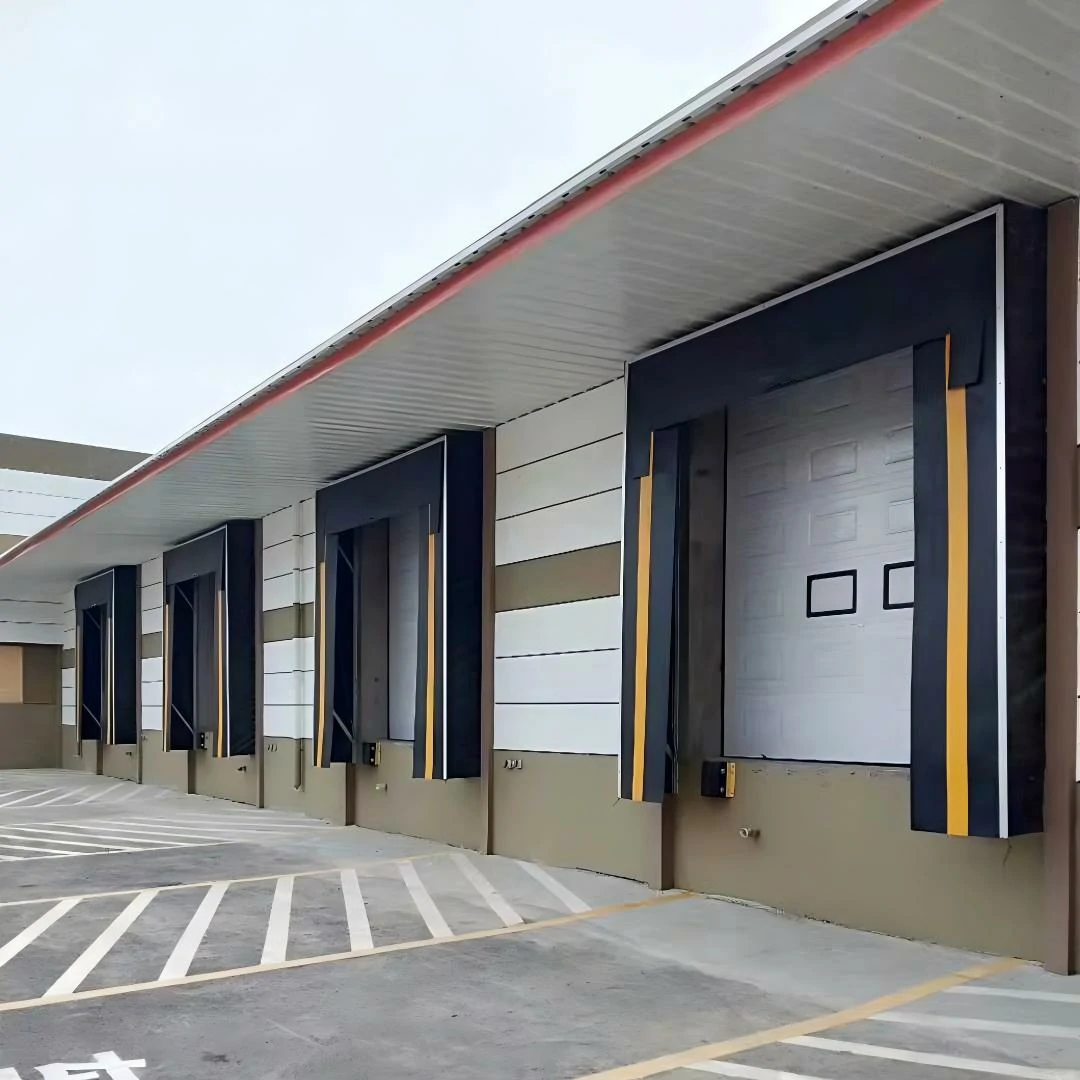
An Industrial Sectional Door is a vertically opening overhead door made of multiple insulated steel panels connected by heavy-duty hinges. As the door opens, the panels travel upward along guide tracks and rest horizontally beneath the ceiling, maximizing available space both inside and outside the building.
Unlike traditional rolling shutters, sectional doors provide superior insulation, better sealing performance, quieter operation, and a longer service life.
They are widely installed in:
- Warehouses
- Distribution centers
- Manufacturing plants
- Automotive workshops
- Aircraft hangars
- Fire stations
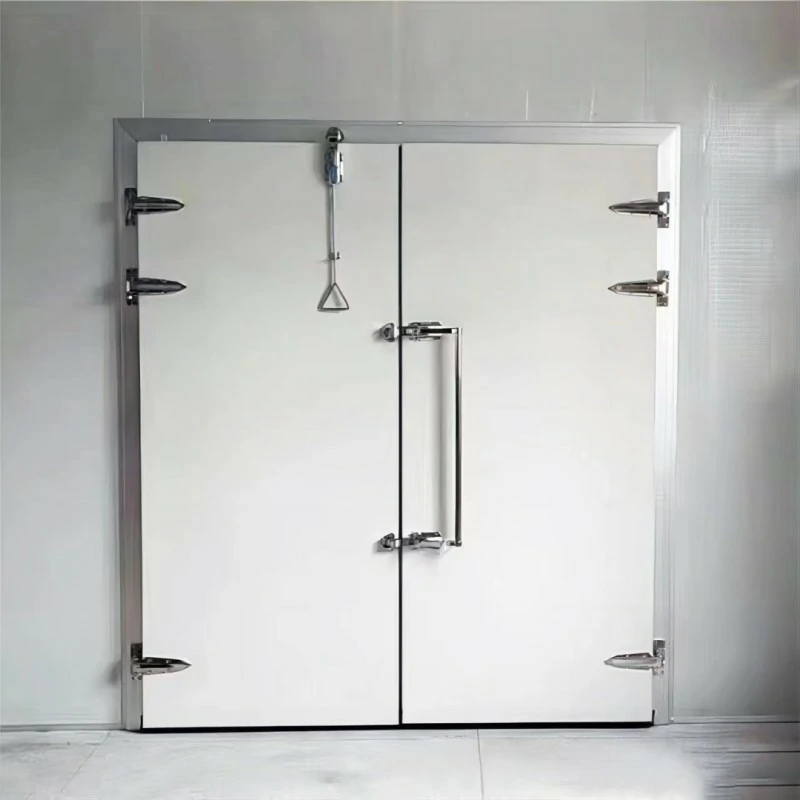
- Cold storage facilities
- Logistics centers
- Industrial parks
- Commercial garages
Why Businesses Choose Industrial Sectional Doors
Industrial sectional doors have become the preferred solution across modern industrial buildings because they combine durability with operational efficiency.
Major advantages include:
Excellent Thermal Insulation
High-density polyurethane foam insulation helps maintain indoor temperatures while reducing HVAC energy consumption.
Benefits include:
- Lower heating costs
- Reduced cooling expenses
- Improved temperature stability
- Better employee comfort
Space-Saving Design
Because the door opens vertically, it requires no swing-out area.
This allows:
- More parking space
- Easier truck loading
- Better warehouse layout
- Increased storage capacity
Superior Weather Protection
Premium sealing systems include:
- Bottom rubber seal
- Side weather seals
- Top compression seal
- Finger-safe panel joints
These effectively prevent:
- Rain penetration
- Dust intrusion
- Wind leakage
- Heat loss
Long Service Life
High-quality sectional doors are engineered for hundreds of thousands of operating cycles when equipped with industrial-grade hardware.
Typical lifespan:
- Door panels: 20+ years
- Springs: 25,000–100,000 cycles
- Track system: 20+ years
- Electric operator: 10–15 years
Types of Industrial Sectional Doors
Not every facility requires the same door configuration.
The most common options include:
Standard Lift Sectional Door
Suitable for buildings with normal headroom.
Best for:
- Warehouses
- Workshops
- Factories
Advantages:
- Cost-effective
- Easy installation
- Reliable operation
High Lift Sectional Door
Designed for buildings with higher ceilings.
Ideal for:
- Distribution centers
- Manufacturing plants
- Logistics warehouses
Benefits:
- More vertical clearance
- Better forklift operation
- Increased storage height
Vertical Lift Door
The door travels straight upward without horizontal tracks.
Perfect for:
- Aircraft hangars
- Large industrial buildings
- Heavy manufacturing
Advantages:
- Maximum overhead space
- Ideal for cranes
- Full ceiling clearance
Low Headroom Door
Specially designed for buildings with limited ceiling space.
Suitable for:
- Existing renovations
- Underground facilities
- Commercial garages
Choosing the Right Door Size
Door dimensions should match operational requirements rather than simply fitting the building opening.
Common industrial door sizes include:
| Application | Typical Size |
|---|---|
| Small warehouse | 3000 × 3000 mm |
| Logistics warehouse | 4000 × 4500 mm |
| Truck loading dock | 3500 × 3500 mm |
| Manufacturing plant | 5000 × 5000 mm |
| Large industrial facility | Customized |
When measuring, consider:
- Opening width
- Opening height
- Headroom
- Side room
- Back room
- Ceiling structure
Accurate measurements ensure smooth installation and proper track selection.
Panel Thickness Matters
Panel thickness directly affects insulation performance and structural strength.
Common options:
40 mm Panels
Suitable for:
- Moderate climates
- Standard warehouses
Advantages:
- Affordable
- Good insulation
- Lightweight
50 mm Panels
Recommended for:
- Cold regions
- Energy-efficient buildings
Benefits:
- Better thermal insulation
- Higher rigidity
- Improved wind resistance
80 mm Panels
Used in:
- Cold storage
- Freezer warehouses
- Temperature-controlled facilities
Advantages:
- Exceptional insulation
- Maximum energy savings
Selecting the Right Insulation
Insulation is measured using U-value or R-value.
Lower U-value means better insulation.
Look for:
- Polyurethane foam core
- Thermal break design
- Double steel skin
- Continuous weather sealing
Good insulation can significantly reduce annual energy expenses.
Door Panel Materials
Galvanized Steel
Most popular option.
Benefits:
- Strong
- Durable
- Corrosion resistant
- Low maintenance
Aluminum
Suitable for:
- Commercial buildings
- Glass sectional doors
Advantages:
- Lightweight
- Rust resistant
- Modern appearance
Stainless Steel
Recommended for:
- Food processing
- Pharmaceutical plants
- Coastal environments
Advantages:
- Hygienic
- Corrosion resistant
- Long lifespan
Window Options
Windows improve natural lighting while maintaining insulation.
Popular styles include:
- Rectangular windows
- Full-view aluminum panels
- Acrylic vision panels
- Polycarbonate windows
Benefits:
- Improved visibility
- Enhanced safety
- Lower lighting costs
Manual vs Automatic Operation
Manual Operation
Suitable for:
- Low-frequency use
- Small workshops
Advantages:
- Lower investment
- Simple maintenance
Automatic Operation
Ideal for:
- Logistics centers
- Manufacturing plants
- High-traffic facilities
Benefits:
- Faster operation
- Labor savings
- Improved safety
- Remote control capability
Automation options include:
- Push button
- Remote transmitter
- Radar sensor
- Loop detector
- RFID
- Access control
- Smartphone integration
Important Safety Features
Industrial doors should comply with international safety standards.
Recommended safety devices include:
Spring Break Protection
Prevents the door from falling if the torsion spring breaks.
Cable Break Device
Locks the door immediately if the lifting cable fails.
Photoelectric Sensors
Stops door movement when detecting pedestrians or vehicles.
Safety Bottom Edge
Automatically reverses the door if it contacts an obstacle.
Finger Protection
Special panel design minimizes finger pinch injuries.
Wind Resistance
Industrial facilities in windy regions require reinforced doors.
Wind resistance classifications usually comply with international standards.
Factors affecting performance include:
- Panel thickness
- Reinforcement profile
- Track strength
- Hardware quality
Noise Reduction
Quiet operation is increasingly important for manufacturing facilities.
Noise reduction depends on:
- Nylon rollers
- Quality hinges
- Balanced springs
- Proper lubrication
- Insulated panels
Surface Finishes
Available finishes include:
- Stucco embossed
- Woodgrain texture
- Smooth finish
- Powder coating
- PVDF coating
Popular colors:
- White
- Gray
- Silver
- Black
- Blue
- Custom RAL colors
Customization Options
Industrial sectional doors can be tailored to match specific project requirements.
Customization includes:
- Door size
- Panel color
- Window layout
- Lift type
- Motor brand
- Control system
- Insulation thickness
- Wind resistance level
Installation Considerations
Professional installation ensures reliable long-term performance.
Before installation, verify:
- Opening dimensions
- Wall strength
- Ceiling clearance
- Power supply
- Track alignment
- Floor levelness
Maintenance Tips
Routine maintenance extends service life and reduces downtime.
Recommended schedule:
Monthly:
- Inspect cables
- Check rollers
- Clean tracks
Quarterly:
- Lubricate hinges
- Tighten bolts
- Test safety devices
Annually:
- Professional inspection
- Spring adjustment
- Motor servicing
- Seal replacement if necessary
Common Buying Mistakes
Avoid these common purchasing errors:
Choosing solely based on price
Lower-cost doors often use thinner steel, inferior hardware, and lower-quality insulation.
Ignoring insulation performance
Poor insulation increases long-term energy costs.
Underestimating operating frequency
High-cycle applications require stronger springs and commercial-grade operators.
Incorrect measurements
Improper dimensions lead to installation delays and additional costs.
Overlooking safety devices
Modern industrial doors should include comprehensive protection systems for employees and equipment.
Questions to Ask Your Supplier
Before placing an order, ask:
- What is the door's expected service life?
- What insulation rating does it provide?
- Which lifting system is recommended?
- How many operating cycles are the springs rated for?
- Which safety devices are included?
- What warranty is offered?
- Are replacement parts readily available?
- Can the door be customized?
- What certifications does the product have?
- What technical support is available after installation?
Why Choosing the Right Manufacturer Matters
The quality of an industrial sectional door depends heavily on the manufacturer's engineering expertise and quality control.
A reliable supplier should provide:
- Advanced manufacturing equipment
- Strict quality inspections
- International certifications
- Professional engineering support
- OEM & ODM services
- Fast production lead times
- Global export experience
- Comprehensive after-sales support
Partnering with an experienced manufacturer helps ensure long-term reliability, lower maintenance costs, and better return on investment.
Conclusion
An industrial sectional door is a long-term investment that directly influences safety, energy efficiency, workflow, and operating costs. Rather than focusing only on the purchase price, evaluate insulation performance, lifting configuration, safety features, durability, customization options, and supplier reliability.
By understanding your building requirements and selecting a high-quality door system, you can improve operational efficiency, reduce maintenance expenses, and ensure dependable performance for many years. Whether your project involves a warehouse, logistics center, factory, cold storage facility, or commercial garage, choosing the right industrial sectional door today will provide lasting value well into the future.