How to Choose an Industrial Sectional Door: A Complete Buying Guide
How to Choose an Industrial Sectional Door: A Complete Buying Guide
Industrial sectional doors are one of the most important investments for warehouses, manufacturing plants, logistics centers, distribution hubs, and commercial buildings. The right door improves security, energy efficiency, workflow, and long-term operating costs, while the wrong choice can result in frequent maintenance, heat loss, and unnecessary downtime.
Whether you're building a new facility or replacing an existing door, this guide from ABX explains the key factors you should consider before purchasing an industrial sectional door.
What Is an Industrial Sectional Door?
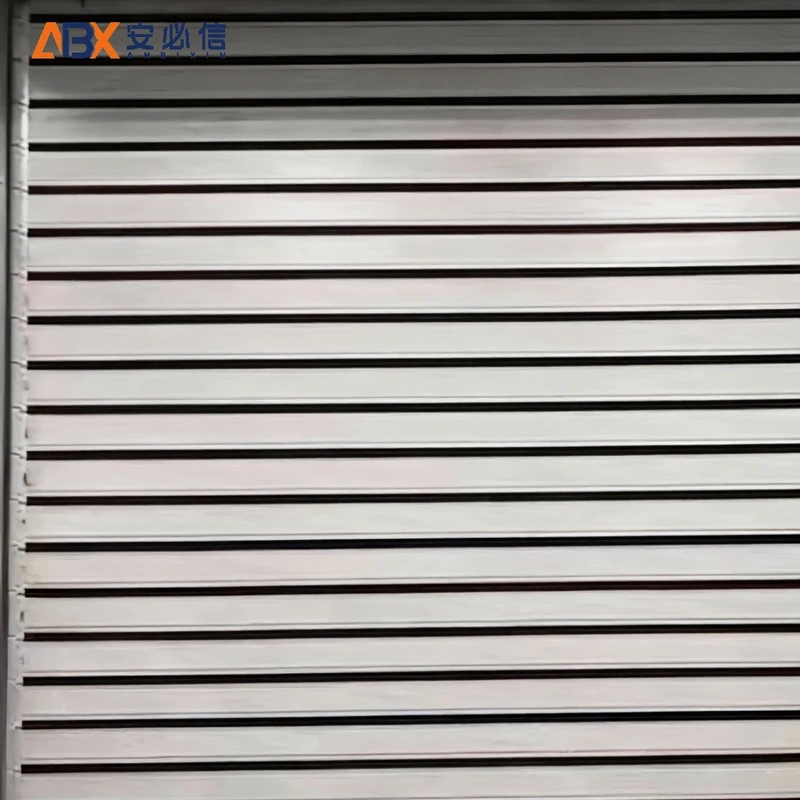
An industrial sectional door is an overhead door made of multiple insulated steel panels connected by heavy-duty hinges. As the door opens, it travels vertically along guide tracks before moving horizontally beneath the ceiling, maximizing available space both inside and outside the building.
Compared with traditional rolling shutters or swing doors, sectional doors offer:
- Excellent thermal insulation
- High structural strength
- Smooth and quiet operation
- Superior weather sealing
- Space-saving vertical operation
- Long service life
- Easy automation integration
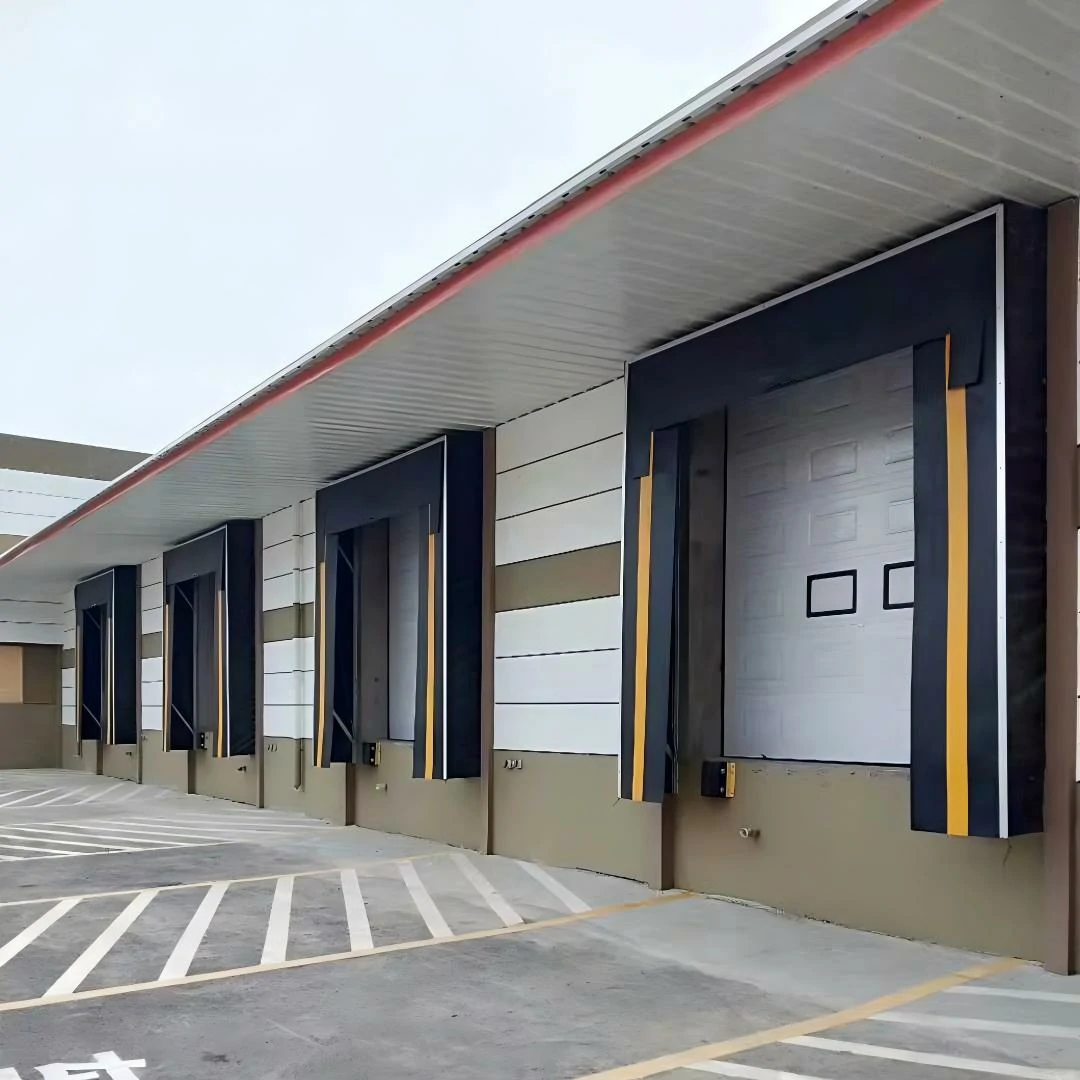
Industrial sectional doors are widely used in warehouses, manufacturing plants, logistics centers, loading docks, cold storage facilities, fire stations, aircraft hangars, vehicle workshops, and commercial buildings.
Why Choosing the Right Door Matters
An industrial door is expected to perform reliably for years while opening and closing thousands of times annually. Selecting the correct model reduces maintenance costs, improves workplace efficiency, lowers energy consumption, and enhances overall safety.
A poorly selected door can result in:
- Higher heating and cooling costs
- Frequent equipment failures
- Poor sealing against dust and rain
- Reduced production efficiency
- Safety risks for personnel and equipment
1. Identify Your Application
The first step is understanding where the sectional door will be installed.
| Application | Recommended Features |
|---|---|
| Warehouse | Insulated panels, electric operator, standard lift track |
| Manufacturing Plant | High durability, frequent operation, reinforced hardware |
| Logistics Center | Fast opening, dock integration, high cycle springs |
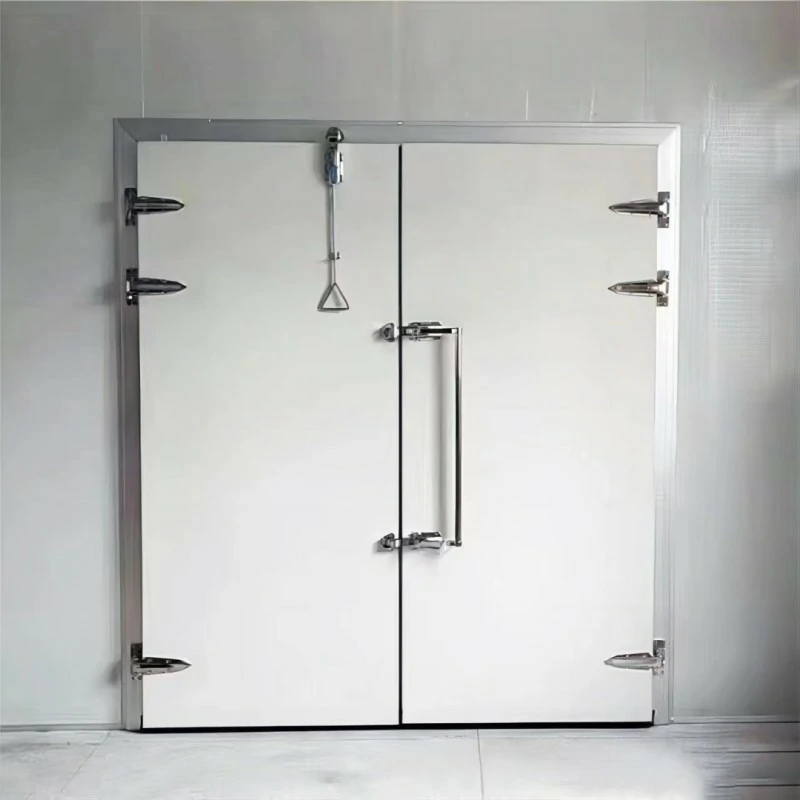
| Cold Storage | Thick insulated panels with excellent sealing performance |
| Fire Station | High-speed operation with reliable automation |
| Aircraft Hangar | Extra-large customized dimensions and heavy-duty tracks |
2. Choose the Right Panel Thickness
Door panel thickness directly affects insulation performance and structural strength.
| Panel Thickness | Typical Application |
|---|---|
| 40 mm | General industrial buildings |
| 50 mm | Warehouses and logistics centers |
| 60-80 mm | Cold rooms and temperature-controlled facilities |
For most industrial applications, insulated polyurethane sandwich panels provide the best balance between strength and energy efficiency.
3. Consider Thermal Insulation
If your building uses air conditioning or refrigeration, insulation becomes one of the most important considerations.
Look for doors with:
- High-density polyurethane foam insulation
- Thermal break panel design
- EPDM rubber perimeter seals
- Bottom weather seal
- Low U-value for improved energy efficiency
Better insulation reduces energy consumption while maintaining a stable indoor environment.
4. Select the Appropriate Lift Track System
Industrial sectional doors are available with different track configurations depending on available headroom.
- Standard Lift
- High Lift
- Vertical Lift
- Low Headroom Lift
- Roof Follow Lift
Choosing the correct lift type ensures smooth operation and maximizes interior space.
5. Evaluate Operating Frequency
Not every facility uses its doors the same way.
| Daily Cycles | Recommended Configuration |
|---|---|
| Less than 20 | Standard torsion springs |
| 20-50 | Heavy-duty spring system |
| More than 50 | High-cycle springs with industrial motor |
| More than 100 | Customized high-frequency solution |
6. Choose the Right Opening Method
Industrial sectional doors support several operation methods.
- Manual chain hoist
- Electric motor operation
- Remote control
- Wall-mounted push button
- Radar sensor
- Vehicle induction loop
- Access control integration
Electric operation is recommended for medium and large industrial facilities due to improved convenience and productivity.
7. Prioritize Safety Features
Safety should never be overlooked when selecting an industrial door.
Modern sectional doors should include:
- Spring break safety device
- Cable break protection
- Anti-pinch finger protection panels
- Photoelectric safety sensors
- Bottom safety edge
- Emergency manual release
These features help protect employees, vehicles, and equipment during daily operation.
8. Select Durable Materials and Hardware
High-quality hardware significantly extends the service life of the door.
Look for:
- Galvanized steel tracks
- Heavy-duty hinges
- Industrial-grade rollers
- Corrosion-resistant springs
- Stainless steel fasteners where required
Premium components reduce maintenance costs and improve long-term reliability.
9. Consider Windows and Ventilation
Depending on your application, optional accessories can improve workplace comfort.
- Vision windows for natural light
- Full-view aluminum glazing
- Ventilation grilles
- Personnel pass doors
These options improve visibility, reduce lighting costs, and increase operational convenience.
10. Work with an Experienced Manufacturer
Choosing the right supplier is just as important as choosing the right product.
A professional manufacturer should provide:
- Customized door solutions
- Engineering support
- Accurate production drawings
- Strict quality control
- Global shipping experience
- Reliable after-sales service
ABX specializes in manufacturing industrial sectional doors for customers worldwide. Our products are designed for durability, safety, energy efficiency, and reliable daily operation across a wide range of industrial applications.
Conclusion
Choosing an industrial sectional door involves much more than selecting the correct size. Factors such as insulation, operating frequency, lifting system, automation, safety features, and hardware quality all influence long-term performance and operating costs.
By carefully evaluating your facility's requirements and partnering with an experienced manufacturer like ABX, you can invest in a sectional door system that delivers dependable performance, lower maintenance, improved energy efficiency, and enhanced workplace safety for years to come.
Need Professional Advice?
If you're looking for a reliable industrial sectional door manufacturer, ABX offers customized solutions for warehouses, factories, logistics centers, loading docks, and cold storage facilities worldwide.
Contact our team today to discuss your project requirements and receive a tailored recommendation.