Industrial Sectional Door Maintenance Guide | ABX Official Guide
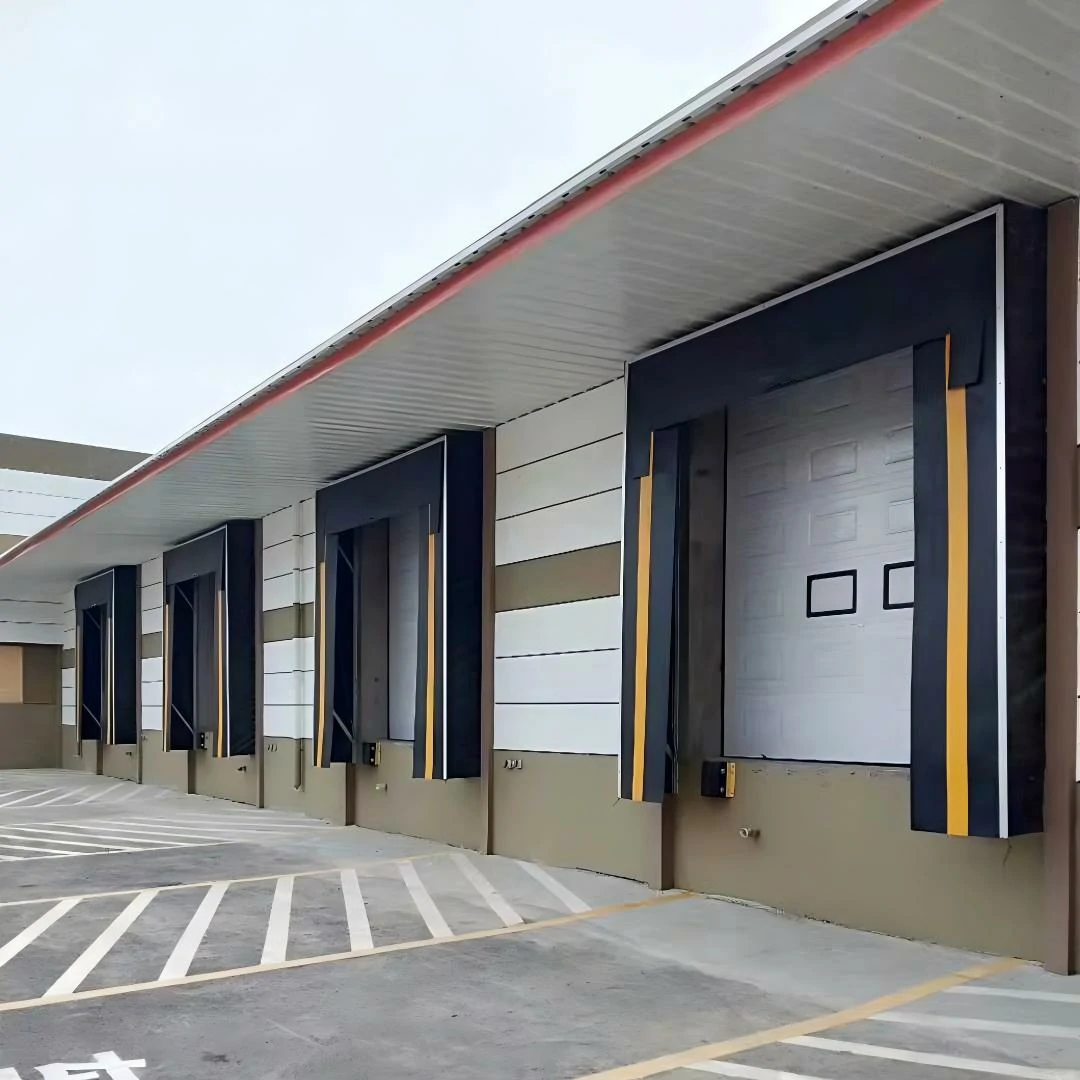
Industrial sectional doors are core equipment for factory workshops, warehouses, logistics depots and industrial parks. Long-term frequent opening and closing, as well as exposure to wind, dust and temperature changes, will easily cause wear, aging and functional attenuation of door bodies and accessories. Scientific and regular daily maintenance is essential to keep industrial sectional doors in stable operation, reduce failure rates, prolong service life and avoid potential safety risks. As a professional industrial sectional door manufacturer, ABX sorts out a complete set of standardized industrial sectional door maintenance guides for daily operation and regular inspection reference.
1. Daily Routine Maintenance (Weekly)
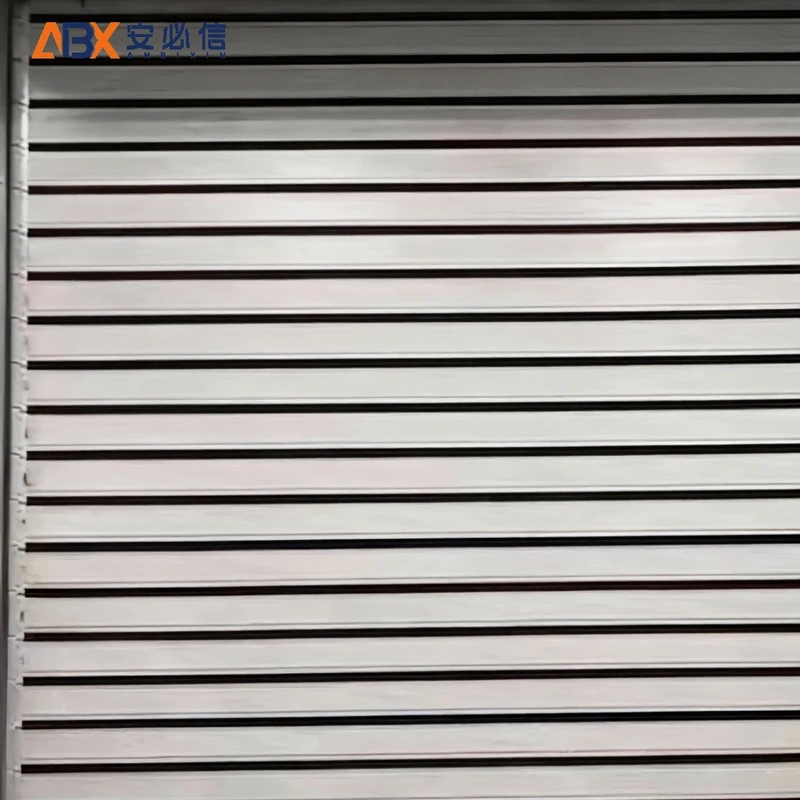
Daily simple maintenance can effectively avoid most minor faults. First, keep the door body and track clean. Regularly remove dust, debris and oil stains on the door panel surface, guide tracks and roller grooves to prevent foreign matters from jamming the rollers and track operation, which may cause jitter and noise during door opening and closing. Second, check the door body sealing strips to ensure no falling off or serious wear, so as to maintain the door’s heat insulation, dustproof and windproof performance. Third, observe the door operation status during opening and closing, check whether there are abnormal noise, jamming, shaking and slow response, and record abnormal conditions in time for follow-up inspection.
2. Regular Deep Maintenance (Monthly & Quarterly)
Carry out comprehensive deep maintenance every month and quarter, focusing on key load-bearing and operating accessories. For hardware parts such as rollers, hinges, bearings and guide rails, apply professional high-temperature lubricating oil regularly to ensure flexible operation, reduce friction wear and avoid rust and stuck. Check all fixing bolts and screws of tracks, door panels and connecting parts, and tighten loose parts to prevent door body deviation caused by long-term vibration.
Focus on inspecting the torsion spring balance system, check whether the spring is fatigued, deformed or loose, and test the door body balance to ensure the door can stay stable at any height. For the electric control system, clean the dust on the motor surface and control box, check whether the power line and control line are aging, damaged or loose in interface, and ensure the electrical system operates safely and stably.
3. Safety Device Inspection & Maintenance
Safety devices are the core guarantee for the safe operation of industrial sectional doors and must be inspected regularly. Inspect the infrared anti-pinch sensor and safety edge device to confirm that they can sense obstacles normally and trigger the automatic rebound stop function in time when encountering obstacles. Test the emergency stop button regularly to ensure it can cut off the operation immediately in case of emergency. For doors with wind-resistant and anti-fall devices, check the integrity and flexibility of the safety locking structure to prevent accidental falling and sliding of the door body, effectively avoiding industrial safety accidents.
4. Seasonal & Annual Maintenance
Industrial doors need targeted maintenance according to seasonal changes and annual overhaul. In rainy and humid seasons, strengthen rust prevention treatment on metal accessories such as tracks, springs and hardware, check the door body waterproof performance, and drain the accumulated water around the door opening in time. In cold winter seasons, replace low-temperature resistant lubricating oil to prevent the oil from freezing and causing poor operation. In high-temperature summer environments, check the motor heat dissipation effect to avoid equipment burnout caused by overheating.
Conduct a comprehensive annual overall overhaul, including door body flatness, structural stability, accessory wear degree, electrical system aging status and safety device sensitivity. Replace severely worn and aging accessories in time to restore the best operating state of the equipment.
5. Common Faults & Standard Solutions
During daily use, industrial sectional doors often have minor faults such as operating noise, unbalanced door body, slow lifting and incomplete closing. Abnormal noise is mostly caused by lack of lubrication or loose hardware, which can be solved by lubricating accessories and tightening bolts. Unbalanced door body is usually caused by spring fatigue, which needs professional personnel to adjust spring tension. Incomplete closing or slow operation is generally caused by track blockage or limit parameter deviation, which can be eliminated by cleaning foreign matters and recalibrating limit positions. It is strictly prohibited to disassemble electrical and spring structures by yourself to avoid safety accidents.
6. ABX Professional After-Sales Maintenance Service
ABX provides full-cycle after-sales maintenance support for all industrial sectional door products. We offer free remote maintenance guidance, regular online inspection reminders and professional door-to-door overhaul services. For equipment failure, our professional technical team can provide rapid response maintenance and accessory replacement services. Adhering to standardized maintenance processes, we help customers reduce equipment operation costs, ensure long-term stable operation of industrial doors, and provide reliable protection for factory production and warehouse storage safety.